
Digital-asset regulation shifted from pronouncements to architecture in spring 2026. In March, the Securities and Exchange Commission issued an interpretation clarifying how federal securities laws apply to airdrops, protocol mining, protocol staking, and wrapping of non-security crypto assets; the Senate Banking Committee moved toward markup of market-structure legislation in April, per a Congressional Research Service report; and SEC Chairman Paul Atkins laid out a 2026 agenda covering crypto capital formation and custody. NewsJay publishes information and education, not investment or legal advice.
The March interpretation matters because staking and airdrops sat at the boundary of securities law for years without agency guidance, leaving exchanges and protocols to guess. Clarity there narrows the classification fight that has consumed enforcement resources since 2021. The legislative track runs parallel: senators signaled progress on the market-structure bill alongside the SEC's clarifications, Axios reported on March 19, 2026, with the committee expected to mark up the legislation in the spring window.
What this changes for investors — and what it does not
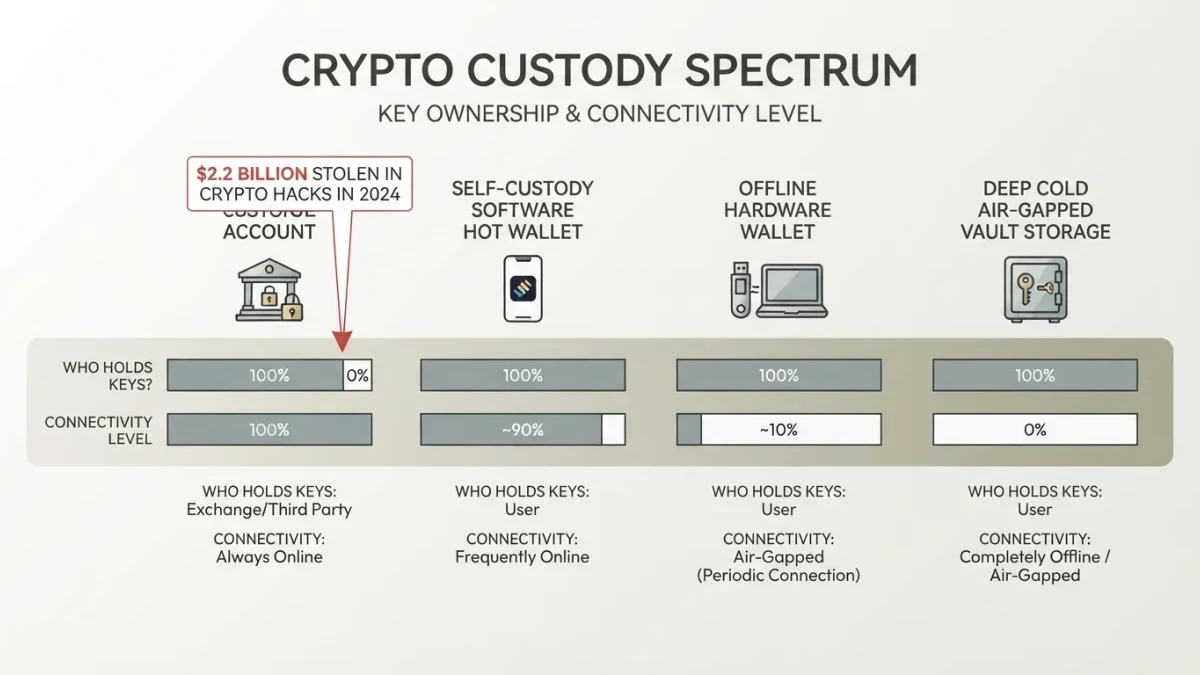
For retail investors, the practical effect is structural, not a trade: clearer custody and capital-formation rules determine which products can legally reach brokerage screens, and how customer assets are protected when venues fail. Nothing in the spring measures changes the underlying economics — crypto markets remain volatile and losses are possible, a statement that carries through any regulatory regime. The evidence-based posture treats framework progress as reducing one category of risk — that a compliant product or venue disappears for legal rather than market reasons — while leaving price risk entirely intact.
What should long-term investors watch from here?
The bill's markup text, the SEC's eventual custody proposals, and how exchanges implement the staking clarifications — each a milestone on a published or announced track. None changes the arithmetic of volatility or position sizing, which remain the investor's own controls.
FAQ
Does SEC guidance make crypto investments safe?
No. Classification and custody rules decide what can be sold and how assets are held; they do not reduce volatility or the possibility of substantial loss. A regulated market is not a calm one.
What is market-structure legislation meant to do?
It would divide oversight between the SEC and the Commodity Futures Trading Commission and define when a digital asset is a security versus a commodity — the jurisdictional seam that has governed the industry by enforcement for a decade.