Markets News
Why Currencies Matter to Your Stock Portfolio
Exchange rates quietly reshape the returns on every foreign holding you own.
Daily market reporting written for individuals: what moved, which release caused it, and whether the development warrants any change to a long-term plan.
Exchange rates quietly reshape the returns on every foreign holding you own.
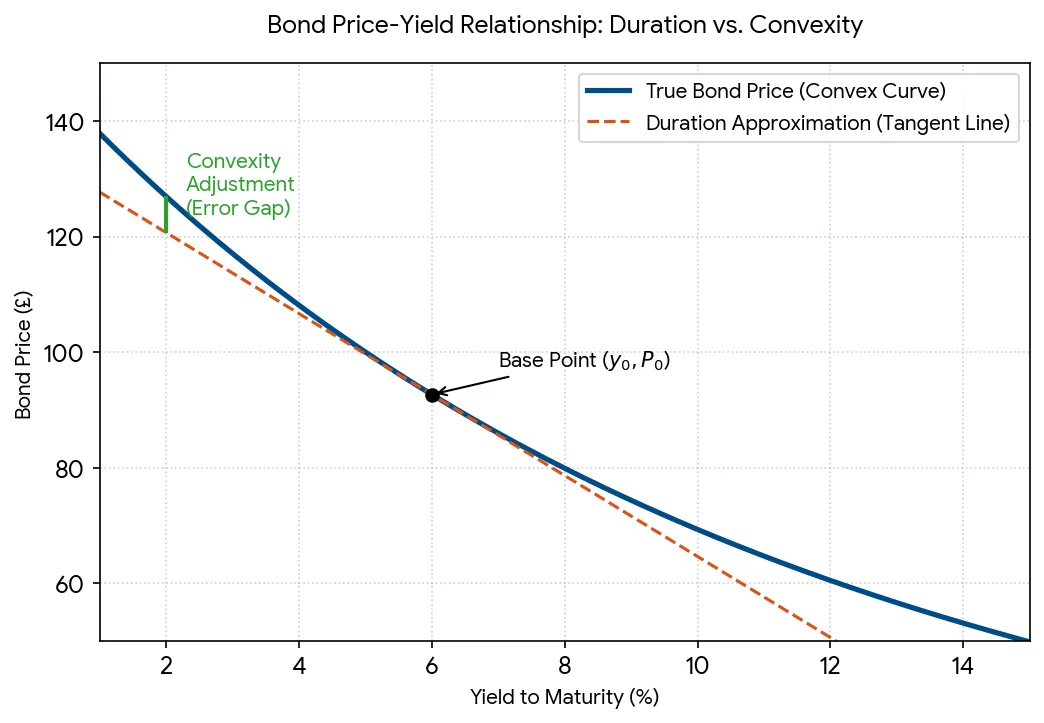
Two similar-looking bonds can react very differently when rates move. Bond duration is the measure that explains the gap.

A rising EPS figure does not always mean a business earned more. Sometimes the share count simply shrank.

Company size shapes how a stock trades, how it moves an index, and how much risk it adds to a portfolio.

A 0.50% expense ratio versus 0.03% can mean roughly $9,400 less on a $10,000 investment over 30 years. Here is how fund fees compound, with the math and…