
Topic
Mutual Funds vs Index Funds: Costs, Management, and Fit
The two labels answer different questions, and many funds are both at once.
The two labels answer different questions, and many funds are both at once.

A CD locks a fixed rate for a fixed term under the FDIC's $250,000 insurance limit, early withdrawal penalties are bank-specific, and a ladder spreads maturities so money frees up on a schedule.

Treasury bills sell at a discount from $100, mature in four to 52 weeks, and skip state income tax. Terms, auctions, taxes, and a simple ladder.

Interest on a credit card builds daily at a rate derived from the APR, applied to the average daily balance, and a grace period can cancel purchase interest entirely when the statement is paid in full.
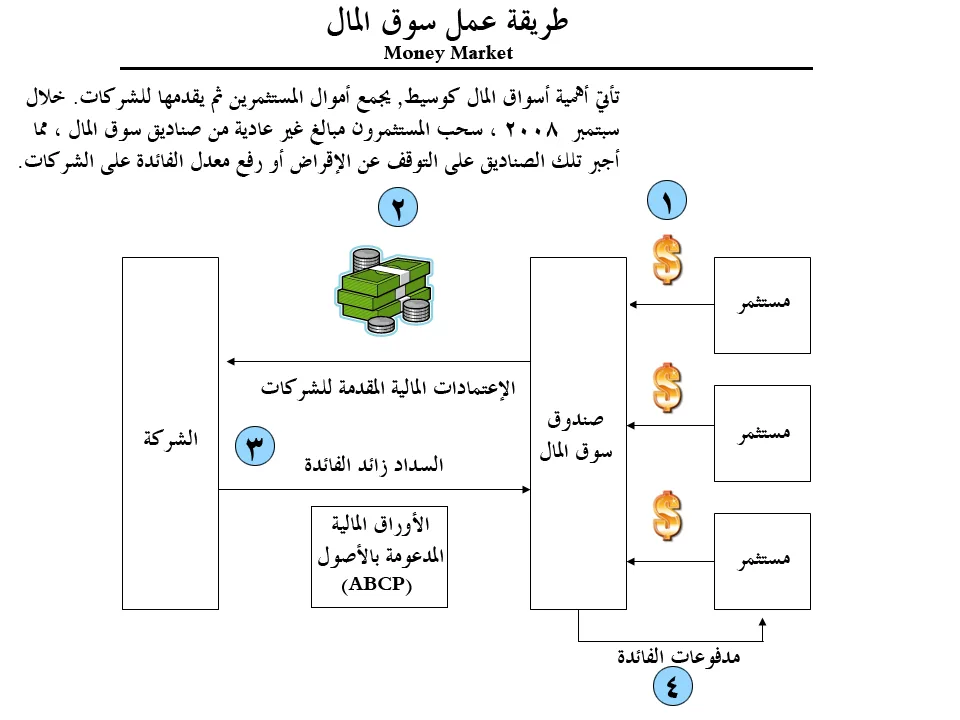
A money market fund holds short-term debt and holds its price near a dollar, with a yield that tracks rates. Where cash fits, and where it does not.

Framing, not facts alone, drives how headlines land — and long-term investors can learn to see the frame.

Taurex's October 2026 ranking put Bitcoin ahead of gold and stocks after inflation — but the study's own methodology deserves as much attention as the headline number.

Exchange rates quietly reshape the returns on every foreign holding you own.

How annual percentage yield is calculated, why compounding matters more than the headline rate, and what small gaps between accounts cost over time.

A low price-to-sales ratio is a starting point for questions, not an answer in itself.