Stocks
What Happens to Your Shares When a Stock Is Delisted
Delisting removes a stock from its exchange — your shares survive, but where they trade next, and whether you can sell at all, changes immediately.
Company assessment for individual investors: revenue quality, debt levels, competitive position and valuation, with the exact figures worth checking.
Delisting removes a stock from its exchange — your shares survive, but where they trade next, and whether you can sell at all, changes immediately.
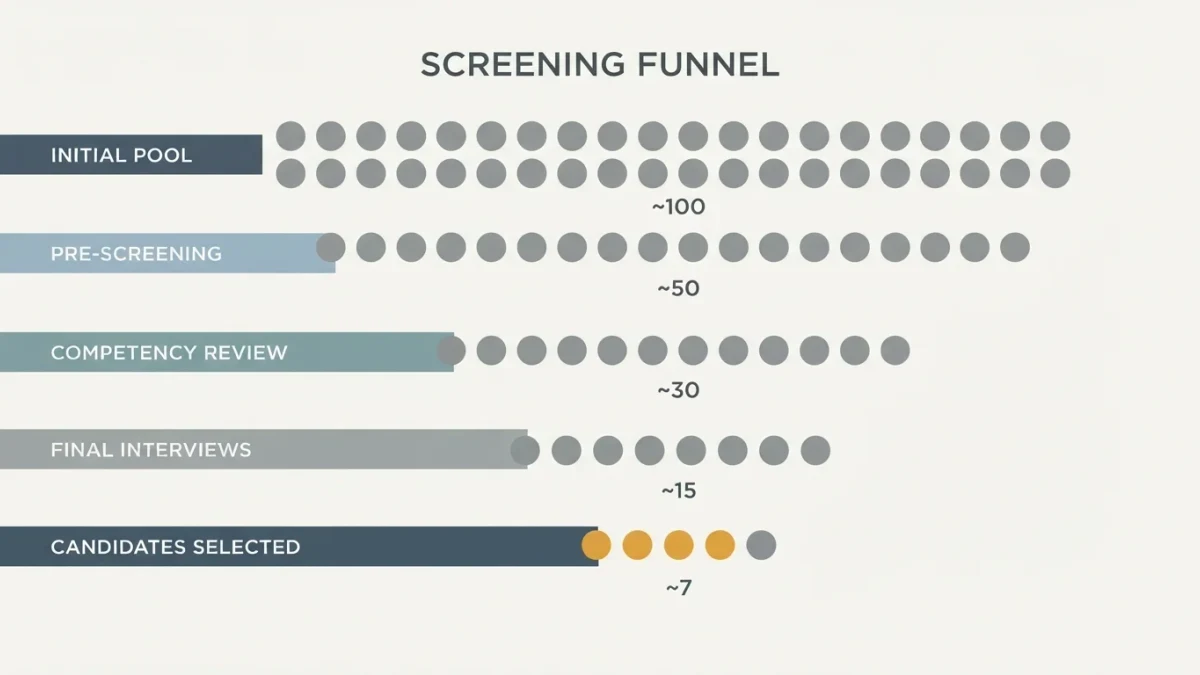
A screener turns the market into a filter stack — powerful for narrowing five thousand names to twenty, useless for deciding which twenty deserve money.
A buyback shrinks the share count, enlarging each remaining owner's slice — mathematically simple, economically honest only when the price paid is below value.
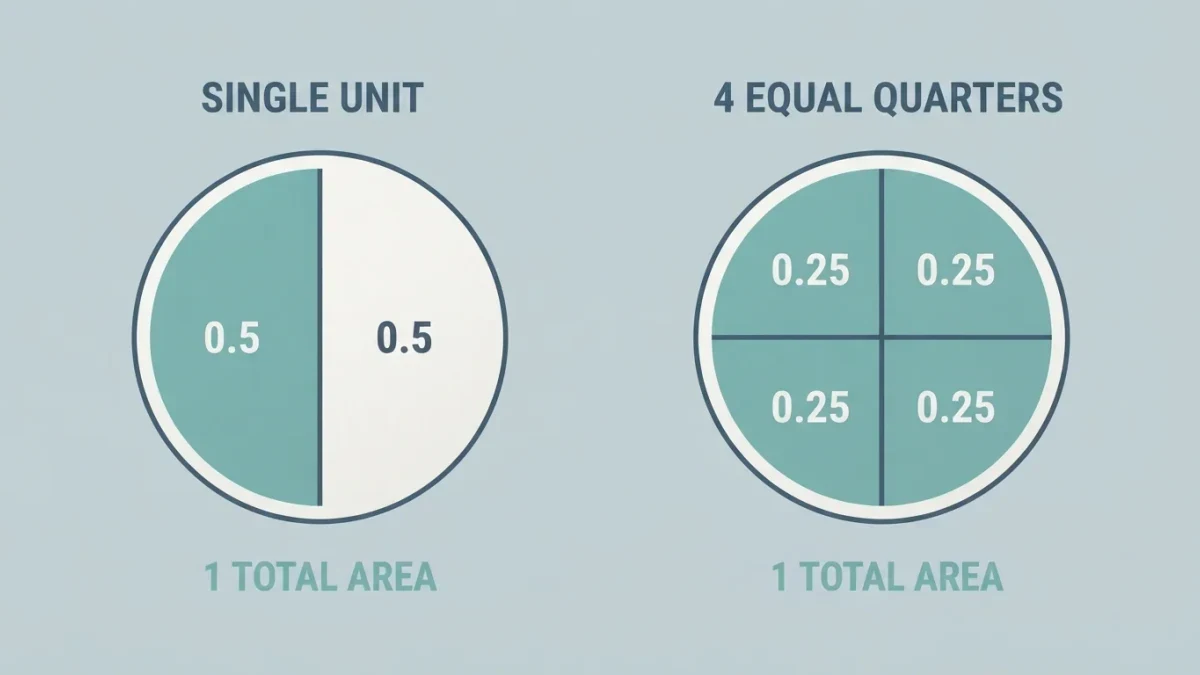
A split changes the denomination of your ownership, not its value — the same fraction of the company, sliced into more or fewer pieces.

Value's premium over growth exists across a century of records but arrives in violent bursts — a reason for patience, not a forecast of the next decade.