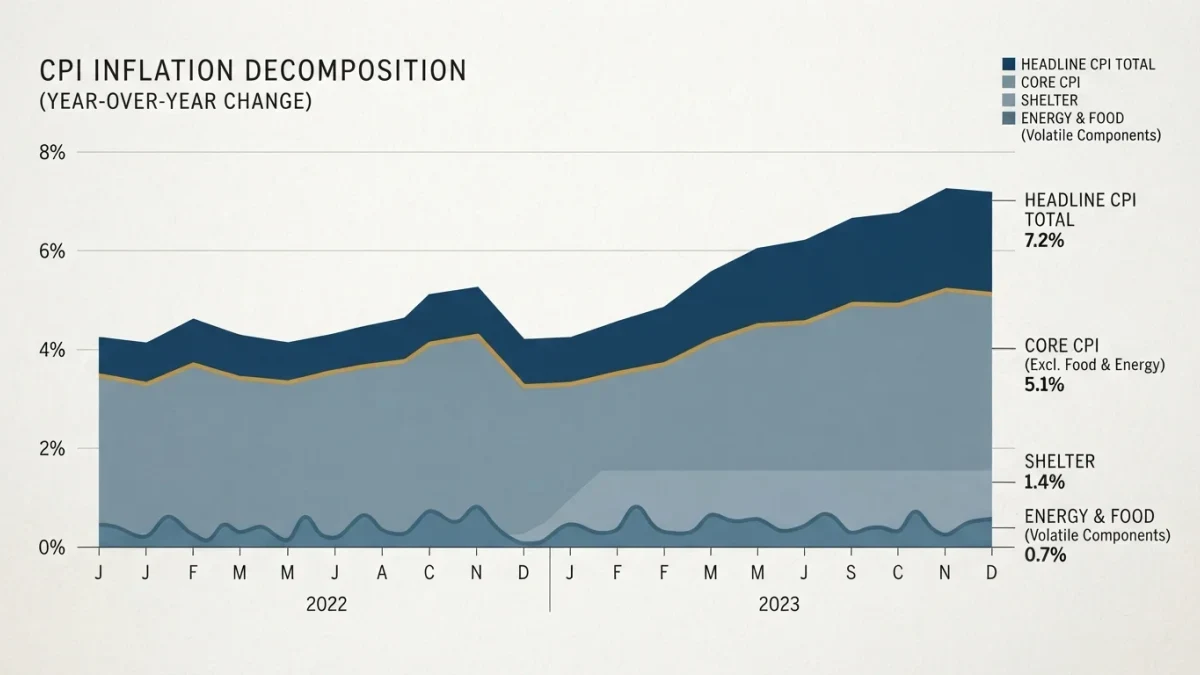

US annual inflation reaccelerated to 3.3% for the 12 months ending March 2026, the Bureau of Labor Statistics reported in April, a sharp rebound from the 2.4% pace recorded just two months earlier and a reversal of the disinflation trend that had shaped market expectations since winter. The acceleration was driven primarily by an energy price spike, per analysis of the BLS release. NewsJay publishes information and education, not investment advice, and one print justifies a change in neither allocation nor plan.
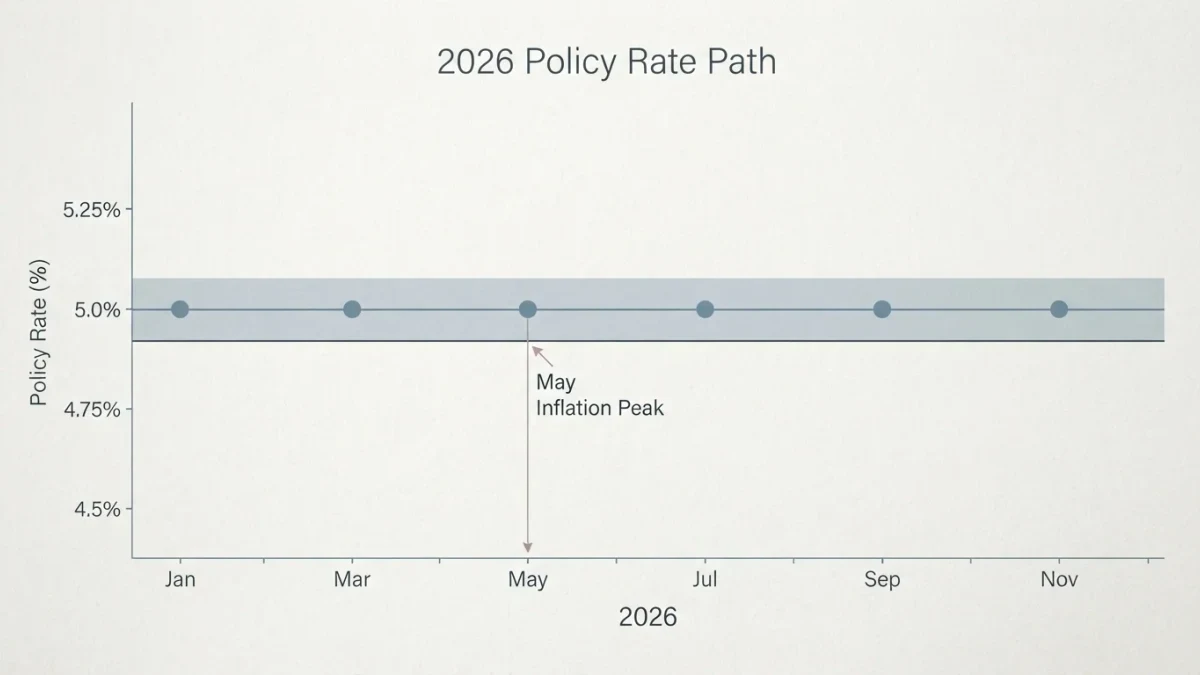
The timing matters for policy expectations: January's cooler print had strengthened market talk of the Federal Reserve resuming rate cuts, and the committee held its target range at 3.50% to 3.75% in March while watching whether the disinflation would hold. March's answer — energy-led reacceleration — pushes the cut conversation further out, tightening the trade-off the committee has described between fading price pressures and the risk of a renewed climb.
What energy-driven spikes do and do not mean
Energy is the most volatile CPI component, and spikes in it have historically proven either transitory — unwinding as supply normalizes — or corrosive, when they feed into expectations and broader prices. Two months of data cannot distinguish the paths, which is why policy officials weight runs of prints over single releases. For long-term investors the mechanisms are stable: unexpected inflation erodes bond real returns first, favors commodities and inflation-protected securities, and pressures equity valuations built on low-rate assumptions — effects that allocation already accounts for if bonds were sized to the investor's actual inflation sensitivity.
What should long-term investors watch from here?
The confirmation sequence: the next two monthly prints, the energy component's path specifically, and the Federal Reserve's characterization of the spike at coming meetings. Each release lands on a published schedule, and the portfolio's task remains reading rather than reacting.
FAQ
Does an energy spike mean inflation is returning for good?
Not by itself. Energy-driven accelerations have historically unwound quickly when supply shocks pass, but 2022 demonstrated they can broaden when expectations shift. The April and May prints will show which pattern this is.
Should bond holders react to this print?
The disciplined response is checking assumptions, not selling: if short-term bonds dominate the sleeve, unexpected inflation matters less because principal reprices quickly. Long-duration holdings are where inflation surprises bite hardest — a sizing decision made deliberately, not in reaction to one month.