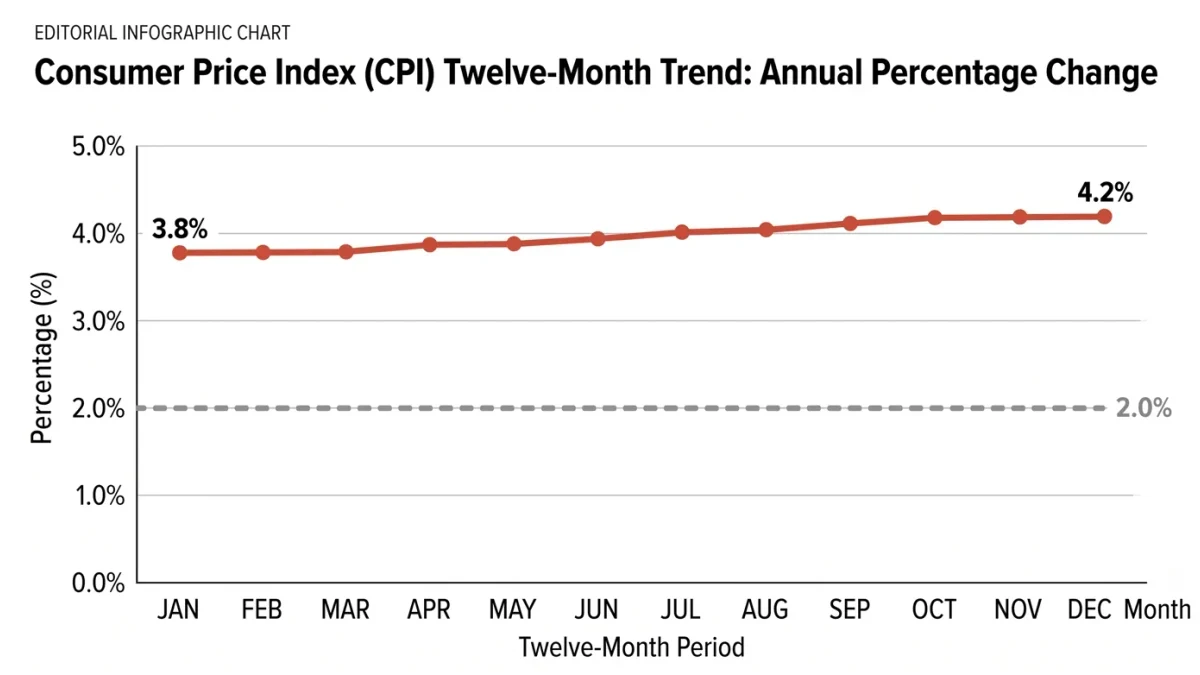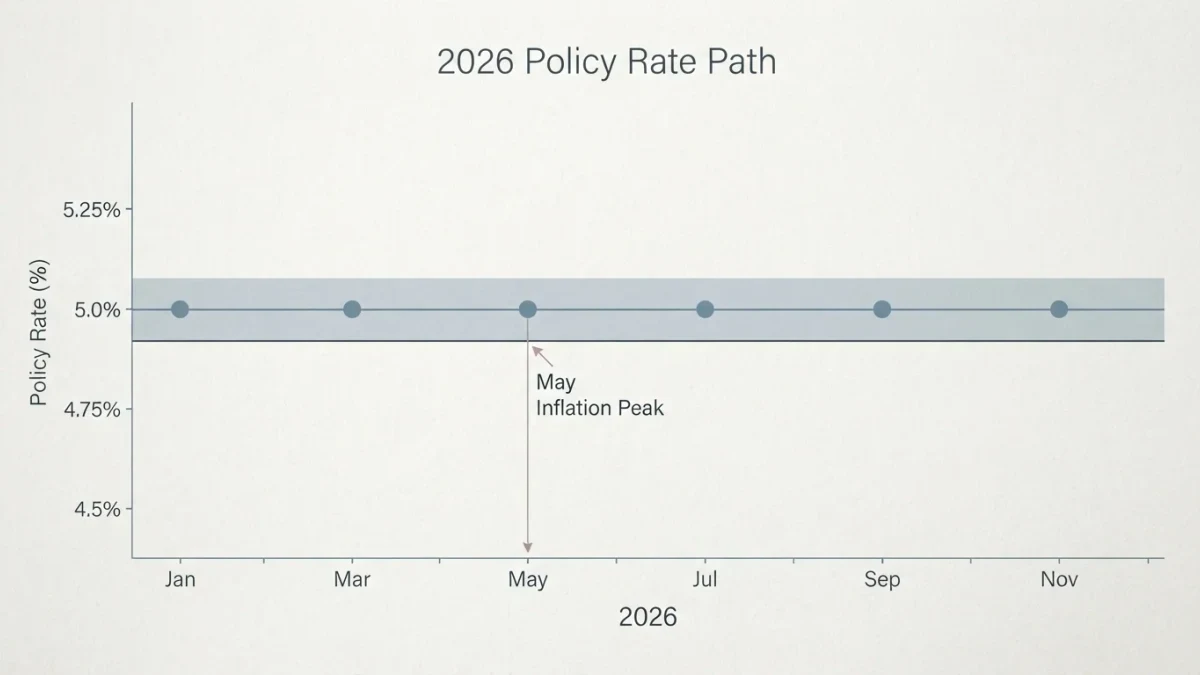

The Federal Open Market Committee held the federal funds target range at 3.50% to 3.75% at its June 2026 meeting, extending a pause now several meetings old, weeks after the May consumer price report showed annual inflation at 4.2% — the largest 12-month increase in three years, per the Bureau of Labor Statistics and CNBC's June 10 report. The June meeting also brought the committee's updated economic projections. NewsJay publishes information and education, not investment advice.
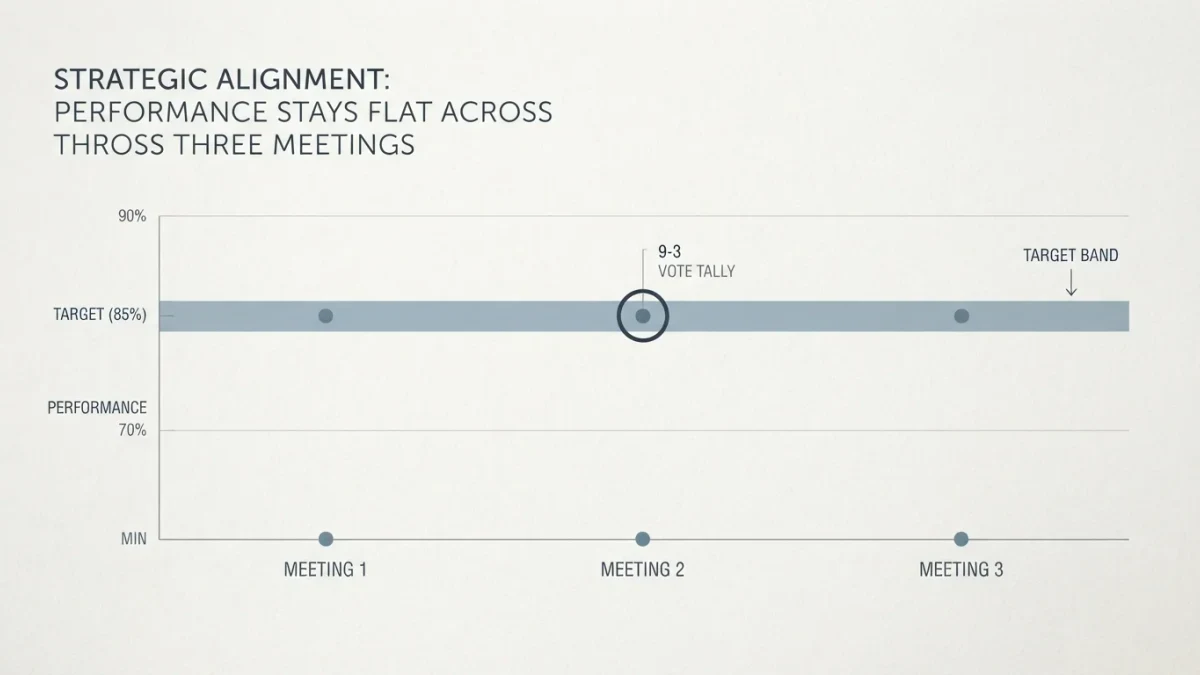
The sequence defines the policy problem: inflation fell to 2.4% in January, reaccelerated on an energy spike through spring, and peaked in May at levels last seen in the 2023 tightening era. A committee that spent the winter signaling possible cuts spent the spring holding against a rebound — the exact trade-off its March and April statements described, with the April vote fracturing 9-3.
What the peak means, if it is one
Energy-driven accelerations historically crest when the shock passes, and the market's question for the summer is whether the May print marks the top or a plateau. For long-term portfolios the disciplined readings are unchanged: unexpected inflation is the enemy of fixed-income real returns, favoring shorter duration and inflation-indexed holdings sized in daylight rather than at release-day speed; equity valuations built on rate-cut expectations have already repriced through the spring. Nothing in a peak print argues for action that the allocation's design did not already anticipate.
What the summer data calendar holds
The weeks after the meeting carry the inflation prints that decide the debate's next round — summer CPI and the Fed's preferred gauge, alongside the employment reports the committee balances against price data. Each release lands on a schedule published months in advance, which is worth remembering when commentary narrates surprise: the calendar never was a surprise, only the numbers on it.
FAQ
Why hold rates when inflation is rising?
Because policy acts with long and variable lags, and committees weigh the risk of reigniting inflation against the risk of choking growth. A hold during an energy spike keeps restraint in place while waiting to see whether the shock is transitory — the same framework the Fed has described all year.
What are the Fed's economic projections?
Released quarterly with the March, June, September, and December meetings, they summarize committee participants' expectations for growth, unemployment, inflation, and the policy rate — a map of internal sentiment, not a commitment.