
Bonds in a portfolio earn their seat through what they do in bad stretches, not through headline returns. Their coupons and fixed maturity values give a portfolio a floor of predictability, which is precisely what makes the rest of it easier to hold. The 10-year Treasury note whose auction closed on October 7, 2026 priced at a high yield of 5.300 percent, per TreasuryDirect auction records, so patience is being paid something again. How much ballast a given investor needs still depends on the horizon and on which bonds are on board.
That dependency cuts both ways, and it connects to why fewer, bigger bets change a portfolio risk profile. A portfolio built on one kind of holding swings with that holding, whatever it is. Bonds mute the swings when they are a distinct piece of the whole, not the whole itself.
The pages below look at how the steadying works, what today rates pay, and what risks stay on board anyway. The Newsjay portfolios hub keeps this series together.
Why Do Bonds Steady a Mixed Portfolio?
Because their cash flows are scheduled, not speculative. A bond pays stated interest on stated dates and returns face value at maturity, so its outcome over a full holding period is known the day it is bought. Per SEC guidance on bonds, an investor who holds to maturity receives the face value plus interest. Stock outcomes carry no such schedule, so combining the two softens the ride.
The second steadying mechanism is behavioral. When equity prices fall, bond interest is still arriving, which gives an investor something to spend or to redeploy into cheaper shares. A portfolio that never forces a sale in a drawdown does its compounding uninterrupted. Readers following this should also see Asset Location: Which Accounts Should Hold Which Funds.
What Do Bonds Pay Right Now?
Treasury notes remain the reference point. TreasuryDirect sells notes in terms of 2, 3, 5, 7, or 10 years, paying a fixed rate of interest every six months, with a minimum purchase of $100. The reopened 10-year note priced on October 7, 2026 drew a high yield of 5.300 percent and a bid-to-cover ratio of 2.77, per the TreasuryDirect auction records.
A 5.300 percent coupon stream is not a forecast, it is a starting yield observed on one date. Corporate and municipal bonds pay different spreads over that reference, and their credit quality varies by issuer. Past auctions say nothing about where yields settle next.
What Risks Does the Ballast Still Carry?
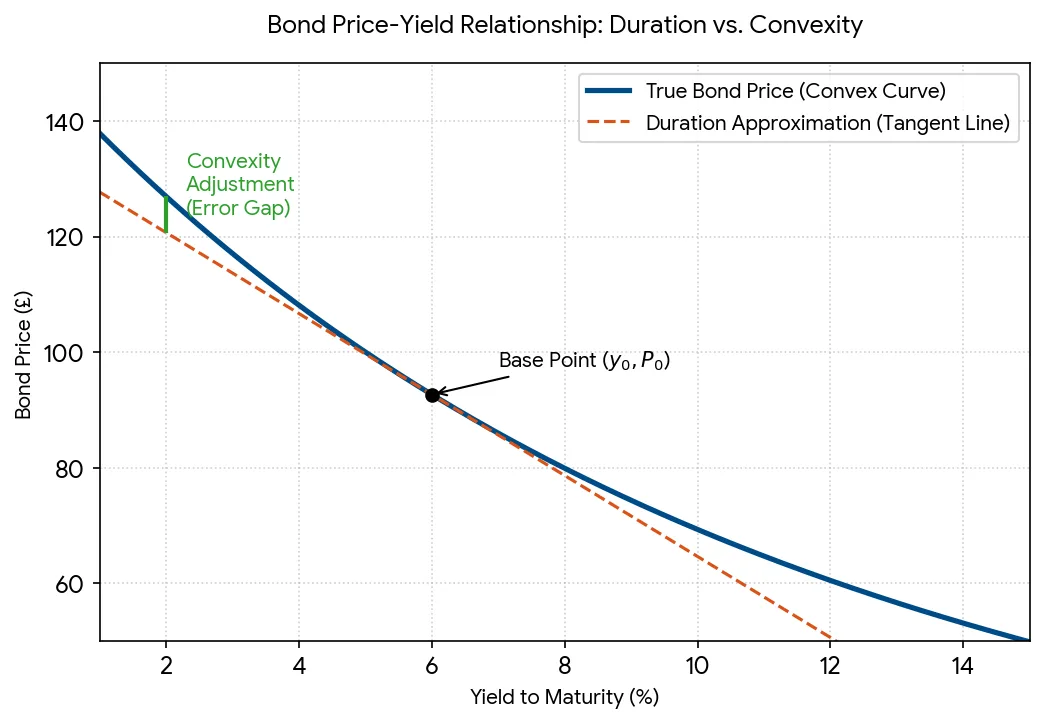
Several, and they are easiest to see through the SEC page on bond investing. Interest rate risk is the headline: when rates rise, existing bonds with lower coupons trade at discounts if sold before maturity. Inflation erodes a fixed payment. Credit risk is the chance an issuer misses a payment, and some bonds can be called early.
Held to maturity, a single Treasury note sidesteps most of these. A bond fund never matures, so it carries rate risk permanently, in exchange for daily liquidity. The wrapper changes which risks stay live. We covered a connected angle in The Real Risk of a Concentrated Single-Stock Position.
How Much Ballast Does a Portfolio Need?
No fixed number fits everyone, and the honest answer is a set of criteria rather than a figure. Useful checks include:
- Years until withdrawals begin, since longer horizons can tolerate longer bonds and more equity.
- Whether spending is discretionary or scheduled, which decides how much money must be insulated.
- The rest of the portfolio, because concentrated equity positions argue for a calmer bond sleeve.
- Tax location, since Treasury interest escapes state and local tax, per TreasuryDirect.
A portfolio weighted toward decades-away money can lean lighter on bonds than one funding a near-term goal with the same total balance.
Conclusion: Unimpressive Returns, Structural Work
Bonds rarely top the performance page, and they are not built to. The job is scheduled cash, a known maturity value, and drawdowns that do not force decisions at the worst moment. A 5.300 percent high yield on the October 2026 reopening of the 10-year note, per TreasuryDirect, makes that job easier to take seriously. The right dose is personal, set by horizon and spending rather than by last year leaderboard.