
Topic
Borrowing Against Tokenized Stocks: How Ondo Stocks Work as Spout Collateral
Interest-free USDC loans against tokenized equities sound too good to price. The mechanism explains the cost.
Interest-free USDC loans against tokenized equities sound too good to price. The mechanism explains the cost.

A CD locks a fixed rate for a fixed term under the FDIC's $250,000 insurance limit, early withdrawal penalties are bank-specific, and a ladder spreads maturities so money frees up on a schedule.

Treasury bills sell at a discount from $100, mature in four to 52 weeks, and skip state income tax. Terms, auctions, taxes, and a simple ladder.

Corrections are 10 percent declines from a peak. See the S&P 500 record since 1950, how long declines ran, and how long recoveries took.
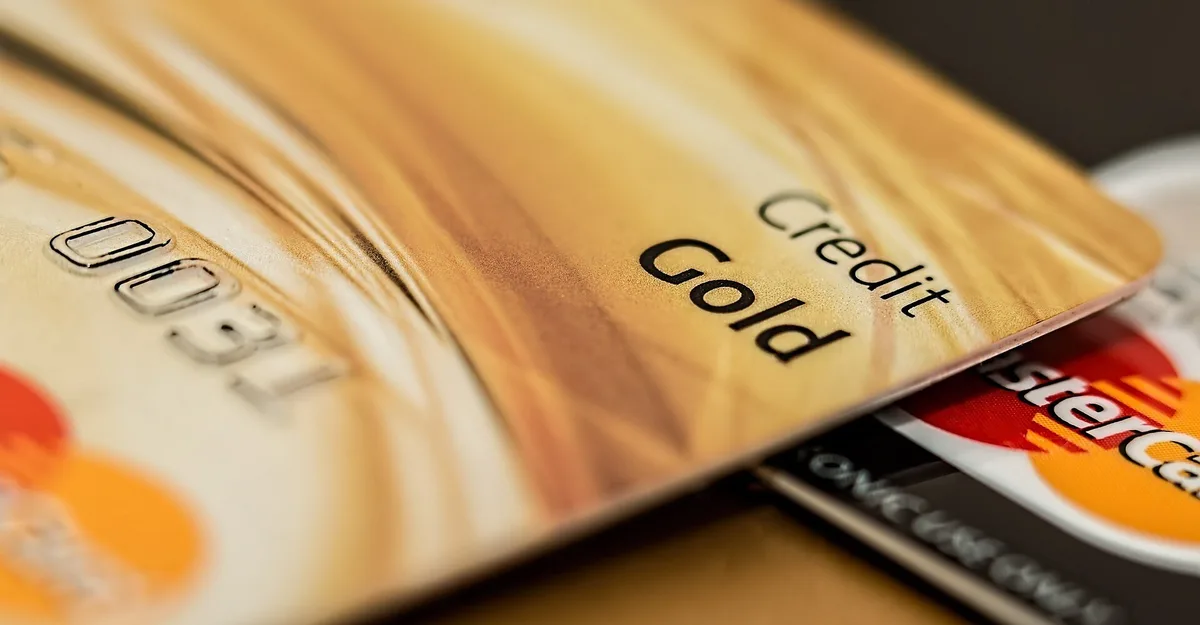
Interest on a credit card builds daily at a rate derived from the APR, applied to the average daily balance, and a grace period can cancel purchase interest entirely when the statement is paid in full.
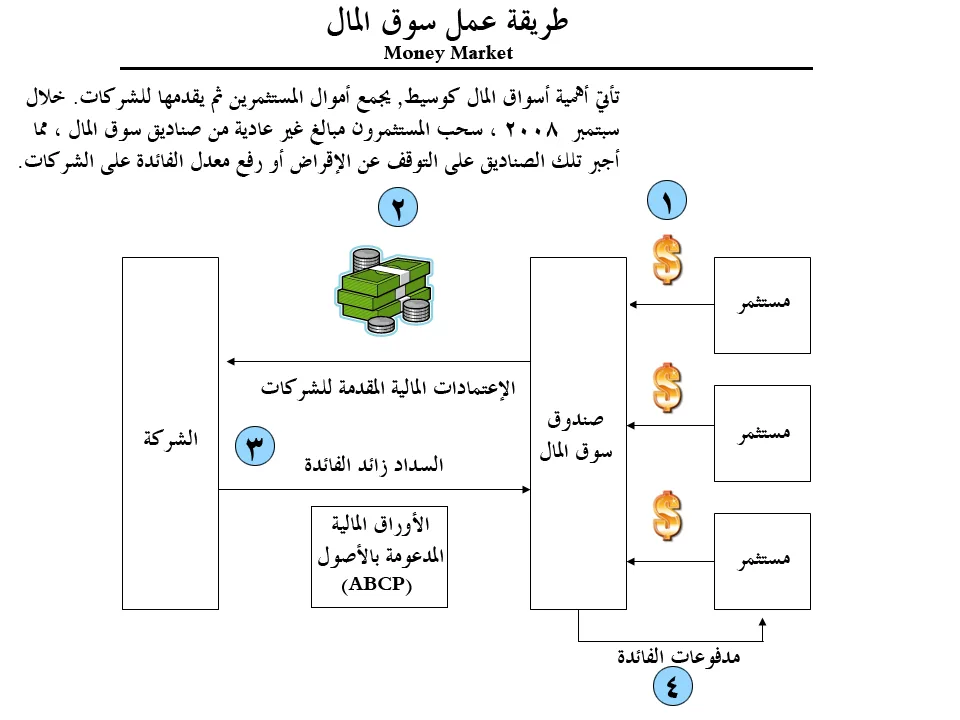
A money market fund holds short-term debt and holds its price near a dollar, with a yield that tracks rates. Where cash fits, and where it does not.

Bonds steady a portfolio through scheduled coupons and fixed maturity values, not headline returns. What they pay now, and which risks remain on board.

Framing, not facts alone, drives how headlines land — and long-term investors can learn to see the frame.

Taurex's October 2026 ranking put Bitcoin ahead of gold and stocks after inflation — but the study's own methodology deserves as much attention as the headline number.

Exchange rates quietly reshape the returns on every foreign holding you own.